Anyone who wants to see sumo in Tokyo runs into the same wall: the tournament dates don’t match the trip.
Grand sumo holds six tournaments a year, and only three of them — January, May and September — are in Tokyo. Visit at any other time and there is essentially nowhere to watch sumo.
The Shibuya show exists to fill that gap.
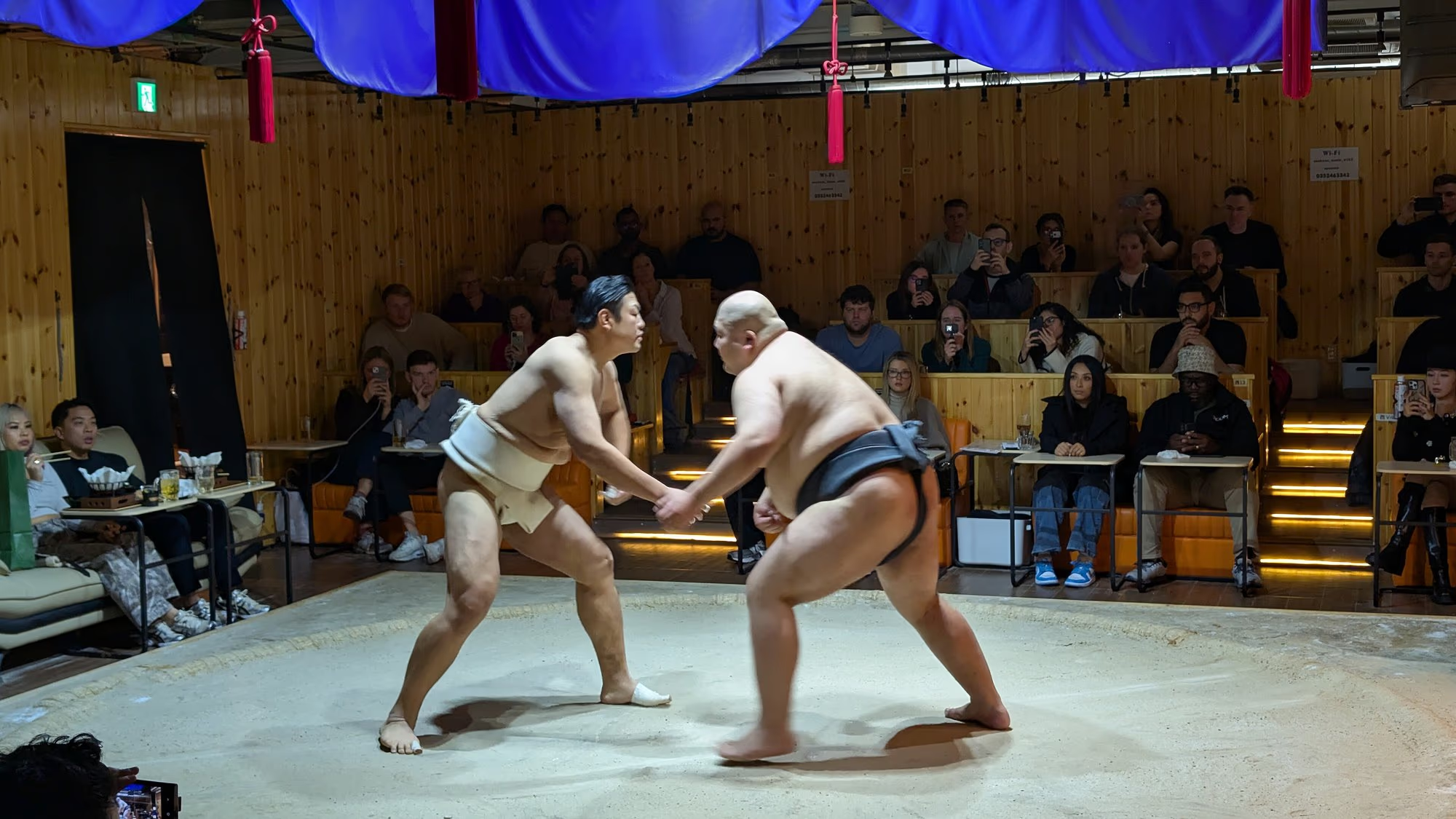
What happens
The venue is a small space in central Shibuya. The ninety-minute programme runs roughly like this.
- Introduction and background — the history of sumo, why it is treated as the national sport, what the ring means. In English
- Technique demonstration — wrestlers show the moves used in real bouts, at close range
- Demonstration bout — wrestlers face each other. You are close enough to register the size and the sound of the impact
- Audience participation — volunteers take on a wrestler and try a push-out
- Q&A — questions about a wrestler’s life, diet and training
- Photographs — time set aside to be photographed with the wrestlers
One drink is included.
Understand what it is not
This is not an official tournament. The bouts do not affect anyone’s ranking; they exist to be watched and understood.
In exchange, you get things a tournament cannot give you.
| Grand sumo (Ryōgoku) | Shibuya sumo show | |
|---|---|---|
| When | Six times a year, Tokyo three | Year-round |
| Length | Half a day to a full day | 90 minutes |
| Distance | Depends on your seat | Always close |
| Commentary | Mainly Japanese | English |
| Participation | Watching only | You can push against a wrestler |
| Talking to wrestlers | Not really possible | Q&A included |
| Status | Official competition | Demonstration |
“I want to see a real contest” points to a tournament. “I want to understand sumo and experience it” points to the show. If your trip covers January, May or September, both are worth considering.
The published figures
From the booking page on 3 September 2026:
- Rating: 5.0 / 5
- Reviews: 517
- Bookings: 4,000+
- Duration: 1 hour 30 minutes
- Language: English
An average of 5.0 across 517 reviews is unusually high for an experience of this size. Ratings do move, so check the recent ones before booking.
Booking
Book ahead. The venue is small and each session takes a limited number of people. Turning up on spec is not a realistic plan.
- Weekends: can fill several days out
- Weekdays: sometimes available the day before
- Holidays and peak season: allow a week
It is indoors and weather-independent, so if your dates are fixed there is no reason to delay.
What to wear and bring
Nothing special. It is indoors and you are seated.
- No dress code
- Shoes you can slip off easily, in case the venue requires it
- A camera or phone for the photo session
- No cash needed if you have paid in advance
Combining it with the rest of your evening
Ninety minutes slots easily into a day.
In the evening — walk on afterwards to Nonbei Yokocho or an izakaya. Talking about sumo over chanko-nabe is not a bad sequence.
In the afternoon — pair it with a sunset slot at Shibuya Sky.
As part of a culture day — tea ceremony and chopstick-making both run around an hour. Together they make a day of traditional crafts and sport without leaving Shibuya.
Who it suits
Good fit
- Your dates don’t match a tournament
- You don’t know the rules but you’re curious
- You have children and a full tournament day is too long
- You want it explained in English
- You want to speak to or be photographed with a wrestler
Poor fit
- You want to see competitive results
- You follow the rankings and bout schedules
- You want Japanese-language commentary
Sources
Rating, review count, booking volume, duration and language are the values displayed on the booking page on 3 September 2026. For grand sumo tournament dates, consult the Japan Sumo Association’s official announcements.
This site does not sell tickets and is not the official website of any organisation or venue.